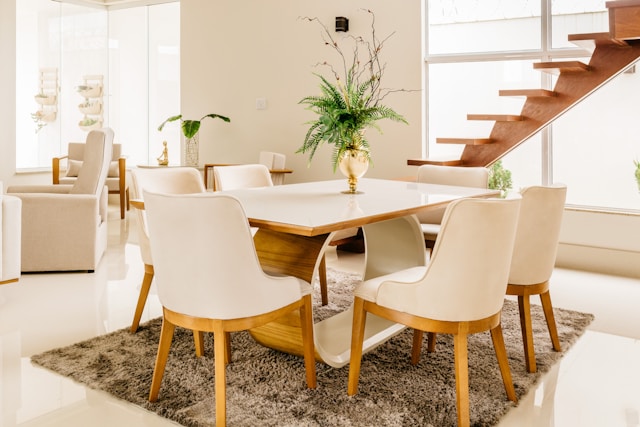
In Australia, ergonomics has become a key component in dining room furniture selection, and for good reason. People pay more attention to table size and the room design in a home styling decision, but it is the design of the chairs that determines if a long meal is comfortable or something guests are quietly suffering through. Studies in ergonomics demonstrate that bad chair design leads to the accumulation of pressure, muscle fatigue, bad posture, and poor circulation. These effects begin to take hold long before a typical family dinner is over and are in full force by the time dessert is being served.
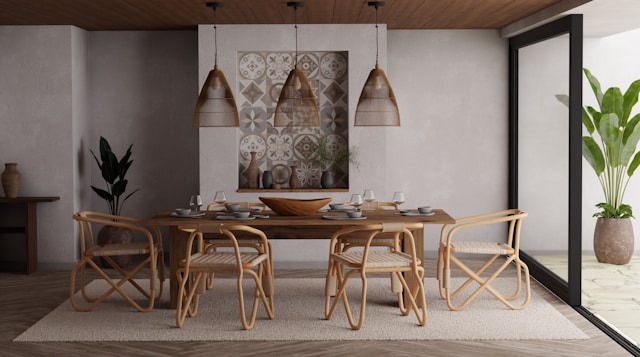
Seat Depth Is the Dimension Most Buyers Overlook
Seat depth, one of the measurements that contributes to the long-term comfort of a chair, has the second strongest effect of all. In a Monash University study, six different seat depths were evaluated for a 90-minute sitting period. The study found that a depth of about 40.2 cm produced the highest comfort ratings and the lowest discomfort scores. Deeper seat pans caused shorter users to slide out of contact with the backrest, leaving them unsupported. Shallower designs did not provide sufficient thigh support for taller users. It is not a style choice; it is a measurement with a measurable outcome.
That finding is supported by research into pressure distribution. Excessive seat depth can cause localised pressure under the thighs and buttocks that reduces blood flow and leads to early fatigue. For example, research into seat ergonomics demonstrates that maintaining 2 to 5 cm of clearance between the seat edge and the back of the knees significantly enhances comfort over long periods of sitting. Yet that measurement is something most buyers have never considered. The difference between a chair that allows a two-hour dinner and one that makes the main course uncomfortable comes down to this measurement.
Backrest Angle Determines How Long Muscles Stay Comfortable
The slope of the backrest determines how much muscular work the body must exert to hold posture during a meal. Studies of seating comfort have demonstrated that backrest inclinations in the range of 105 degrees consistently yielded the highest comfort ratings and the lowest pressure concentrations, relative to upright configurations. When the backrest is too vertical, the lower back is inadequately supported and the muscles that hold up the spine must remain active. This demand results in fatigue long before the meal is finished. Comparative ergonomic evaluations reveal that backrest inclinations between 101 and 105 degrees strike an effective balance between upright eating posture and long-term comfort.
A recline angle that is comfortable in a lounge chair is too aggressive for dining because it increases the distance from the seated person to the table. It elevates shoulders and requires more effort than necessary to eat. The engineering challenge in a good dining chair is narrow. The backrest must provide sufficient recline to minimise muscular load while not compromising functional reach to the table. Quantitative pressure distribution measurements validate that moderate recline reduces peak pressure values and enhances weight sharing between the seat and backrest.
Cushioning Material Matters More Than Initial Softness
The common assumption that softer cushioning is more comfortable is not supported by the research. High-density foam materials outperform softer alternatives after prolonged sitting because they more evenly distribute body weight and resist compression over time. Industry ergonomic evaluations identify foam densities between 40 and 56 kg/m³ as effective for finding a balance between support and comfort. Low-density cushions compress quickly under sustained weight. They create concentrated points of pressure under the pelvis that become more painful as the meal progresses rather than remaining constant.
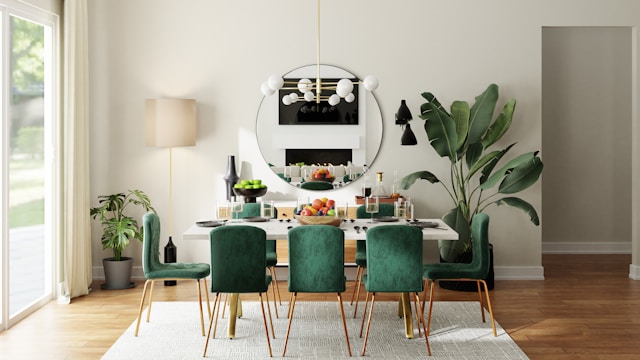
Seat Height and Width Complete the Picture
Posture, circulation, and joint loading are affected by seat height in ways that are realised only over time. Chairs that are too high apply pressure under the thighs and limit circulation. Chairs that are too low increase flexion of the knees and hips and lead to muscular strain over the course of a long sitting period. According to ergonomic studies, it is recommended to maintain approximately 25 to 30 cm of clearance between the seat surface and the underside of the dining table. This permits natural arm placement and prevents excessive elevation of the shoulders during feeding. Experimental studies with older adults demonstrated that optimised seat height reduced average pressure concentrations and increased comfort scores significantly.
Whether natural postural adjustment is possible during a meal is determined by the width of the chair. That matters because one of the body’s primary ways of managing sustained sitting is with some form of movement. Recommended seat widths are 39 to 50 cm for adult users. Narrow seats limit repositioning and cause side-pressure discomfort. Overly wide seats reduce lateral support and encourage slouching. Within the right range, a chair that accommodates moderate postural variation, shift in position, and change in weight distribution, delays the onset of discomfort considerably.