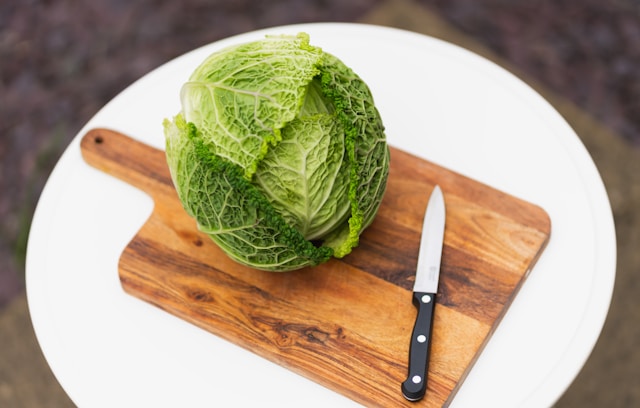
You probably thought a color chopping board was just another kitchen trend to try, a red one for a bit of style, or a green one because it looks nice on the counter. That’s exactly what lots of people think, until they walk into a professional kitchen and suddenly everything just clicked. And once that happens, you can’t not see it.
The moment most people realise they’ve been using chopping boards all wrong
It usually happens when you’re in a rush to get dinner ready. Raw chicken on one side, chopped veggies all over the place, a bit of bread waiting on the counter. Everything feels normal because most of us run our home kitchens that way every day. But commercial kitchens don’t run like that. They can’t. In Australia, chopping boards have different colours for one reason: to keep cross contamination at bay before it even starts happening. Rather than relying on memory, kitchens use colour as a super handy shortcut. Red is for raw meat. Yellow is for poultry (sometimes). Green is for all your fruit and veg. White is for bakery & dairy stuff. Brown gets used for cooked meats.
Why restaurants still stick with colour systems?
Walk into any commercial kitchen and you’ll see the same pattern over & over again. Red boards near the meat stations. Blue boards around the seafood prep area. Green boards stacked besides the salad stuff. Now, there’s no law saying restaurants have to use these exact colours. But the system works, so they keep using it. Chefs are under pressure to get orders out quickly. Nobody has time to stop every few seconds wondering which surface is safe to use. The colours sort out the workflow in the background, keeping staff moving. And that’s where home kitchens usually go wrong. At home, you might just use one board for everything. Veggies first, then chicken, then bread. Maybe a quick wipe clean in between if you remember. It looks clean so people assume it’s safe. But tiny knife grooves can trap moisture and grime long after the cooking’s done. That’s why colour separation is more important than most people even think. It’s not about looking pretty. It’s about keeping mistakes from happening in the first place. Many professional kitchens follow proper chopping board colour coding HACCP Australia practices to make food prep safer and a lot faster.
The 7 chopping board colours just about every chef knows
Most Aussies know the basics of red and green boards, but pro kitchens often follow a more in-depth colour system. White boards usually stick with dairy & bakery products. Yellow can handle cooked meats or poultry depending on the kitchen layout. Brown gets used for root veggies or cooked meats. Red’s still for raw meat. And don’t be surprised if you find a few other colours kicking around. What really surprises most people is just how much stress this takes off during cooking. There’s less second-guessing, less stopping to rewash surfaces, and less uncertainty about whether something touched raw meat a bit earlier. And honestly, that mental clarity is more valuable than most of the kitchen gadgets people spend money on. This is also why searches for Australian chopping board colours, Australian chopping board colour code, and Australia chopping board colours just keep going up among both restaurants and cooks at home.
So, which chopping board is actually the healthiest?
This question can spark a heated debate quicker than you can say “what’s for dinner”. Some people swear by plastic boards because they’re a doddle to get squeaky clean. Others are adamant that wooden boards are the way to go, they’re naturally a safer bet. And then some chappie always chimes in with bamboo, glass, or stainless steel. The truth is, however, a lot more complicated than most online kerfuffle’s make it out to be. Down in Australia, hardwood boards and Camphor Laurel boards are often picked out as being the best because of their natural antibacterial properties. Camphor Laurel, in particular, has some pretty impressive natural oils that help resist bacterial growth a whole lot better than many other types of wood. But of course, there’s a catch that hardly anyone ever mentions. Wood needs some TLC to stay in good nick. Ignore it for too long, and even the best timber boards will end up looking rough, cracking, or absorbing too much moisture and going all soggy. Meanwhile, glass and stainless-steel boards stay spotless because they’re not porous, but lots of chefs are put off by them because they can wreck knife edges with a bit of repeated use. That’s why you’ll often hear pro chefs saying they divide their chopping board use depending on the job at hand. In commercial kitchens, many of them use HACCP-coded plastic boards because they’re a breeze to get sparkling clean in no time. At home, though, a lot of them prefer thick hardwood or top-grade rubber boards because they’re just nicer to cut on and last a lot longer. So, the “best” board is far from a one-size-fits-all thing, it all depends how much stock you put in speedy sanitization, knife protection, durability, or keeping things nice and simple. And that’s the bit that almost every buying guide conveniently leaves out.
The odd link between food colour and chopping boards
Now we come to where this conversation takes a rather unexpected turn. While Aussies are busy debating the merits of chopping board colours for food safety, food colour itself is rapidly becoming the subject of a growing debate. Red 40, that most well-known artificial food dye, pops up in all sorts of products that you might not expect. Ice creams, flavoured yoghurts, popsicles, strawberry milk, and frozen desserts are all in the frame. At first glance, this all seems completely unrelated. But both these conversations are actually revealing the same thing: people are paying a lot more attention to what goes into making their food these days. Not just the chopping board beneath their ingredients, food dyes, material safety, and kitchen habits all matter too. Consumers are no longer just asking if their food tastes any good; they’re starting to wonder what goes on behind the scenes before it gets to the plate. That shift is changing kitchens in ways that trends never could.
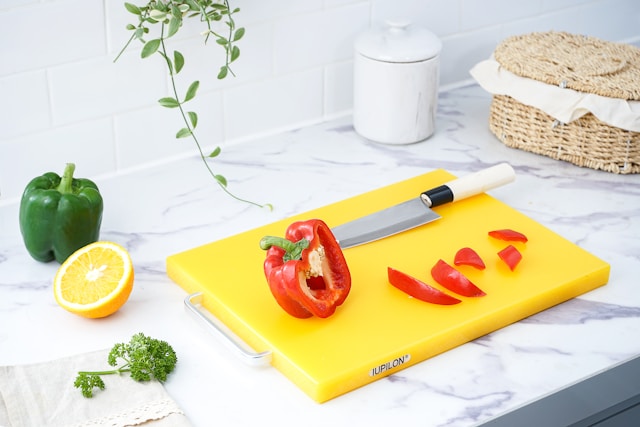
The real reason people never go back after switching
Most people buy their first colour-coded board set and tell themselves it’s just about getting everything organized. And then something rather odd happens. You start feeling a lot more at ease in the kitchen. There’s less uncertainty, fewer make-do workarounds, and far less worry about whether raw ingredients have mucked up a surface they shouldn’t have touched. The kitchen suddenly seems to be flowing a lot better because all that second-guessing just melts away. And once you get used to that, going back to using just one chopping board just feels plain weird. You see, the best kitchen systems are nearly invisible. You only really notice they’re working until you remember just how chaotic things used to be.