
You probably started looking into roof windows because a room just felt stifling and dark, that’s usually how it begins. Maybe a hallway that’s just always in shadow. A bedroom up on the top floor that feels cramped and claustrophobic. Or your roof space that just turns into a sweltering oven every time the sun starts beating down in the afternoons. At first, roof windows seem like a simple upgrade, just chuck in some more light and suddenly the space feels bigger. Done deal, right? But somewhere mid-research into all the different skylight sizes and prices and all the complications around leaks and ventilation and heat, things start to get a little confusing. One person claims skylights will boost your property value, another warns about overheating, and then someone else is telling you that roof windows are always leaking. And to be honest, this is where most homeowners start making some pretty expensive mistakes.

The conversation typically starts off by talking about price
The very first question most people ask is pretty straightforward, just how much are roof windows actually going to cost? Basic roof windows can start off relatively cheap, especially those smaller centre pivot styles. But the price you see online barely ever is the final number you’ll be paying. Once you factor in the cost of flashing kits and glazing options and any roof adjustments that need to be done and the installation itself, well the budget just gets blown out the window pretty quickly. This surprises people because they tend to compare roof windows to regular wall windows. And on paper, some standard windows look like they might even be cheaper. But that’s where comparison stops making sense. A roof window is not just a window plonked higher up. It has to deal with rain falling on it, the pitch of the roof, insulation, heat transfer, and all sorts of other variables all at once. That extra engineering is what makes it so much more expensive. And weirdly enough, the more homeowners try to save money upfront the more problems tend to crop up later on.
Then comes the question that nobody expected, not right away at least
As people start comparing roof windows and skylights another question starts to creep into the conversation. Is this room going to get hotter now? And that’s a valid concern, sunlight coming in through the roof behaves totally differently to sunlight coming in through walls. Especially if that window is facing west, you can end up with some seriously intense heat gain in the afternoons. In the summer, that trapped warmth just builds up faster than people expect. Which is why roof orientation is actually much more important than most people realise at the start. A skylight that’s not positioned quite right can brighten up a room all right, but also make it a real challenge to make it comfortable for half the year. And that’s the bit that most adverts usually gloss over rather than explaining it properly.
Roof windows and skylights really are not the same thing
Most people end up using the terms skylights and roof windows as if they’re basically identical products with different names. Not quite. A skylight is usually just designed to bring some extra natural light into the house. While a roof window on the other hand is usually something you can actually reach and open up for some airflow, either by pivoting or sliding it open. That might seem like a tiny difference, but trust us, it makes all the difference when it’s a real live room you’re talking about. Suddenly the room isn’t just brighter, it’s actually breathable. Heat escapes on its own, and air circulation is improved without needing to rely on fans or air conditioning all the time.
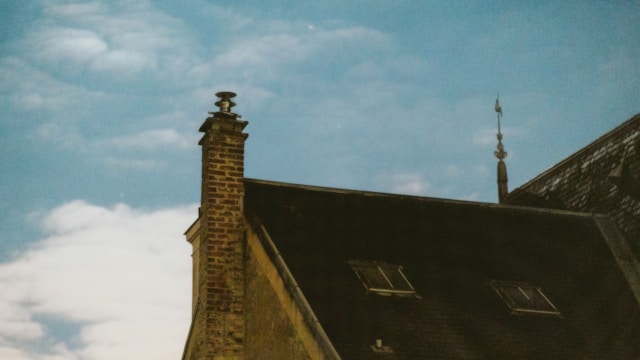
The leak fears are real, but they’re often understood wrong
Just about every conversation about skylights seems to hit the same stumbling block “What if it leaks and starts pouring water everywhere?” It’s no wonder that fear gets around, skylights do have a reputation for being leaky after all. The thing is, though, that the glass itself is usually not the one to blame the truth is, the majority of leaks are down to a load of things, bad installation, weak flashing, a roof that’s shifting about a bit, or any of the other things that happen when the people putting it in take shortcuts in short, the problem is rarely the skylight itself, it’s the world around it. Older skylights give a lot of people the wrong idea, too, because as time goes on the seals just naturally start to get weaker. Homeowners see some water stains years later, and suddenly they’re convinced that the whole concept is rubbish, when really, it’s probably just the installation quality or the fact that the thing has just reached the end of its lifespan. That leaves a bit of a funny situation where roof windows get a bad rep even though modern designs are a whole lot more advanced than the old ones. And what really drives this is one simple mistake people keep making. Everyone gets hung up on the price of the thing, but hardly anyone even thinks about who’s putting it in and how well they’re doing it, which, as far as I’m concerned, is the real make or break for a skylight.